
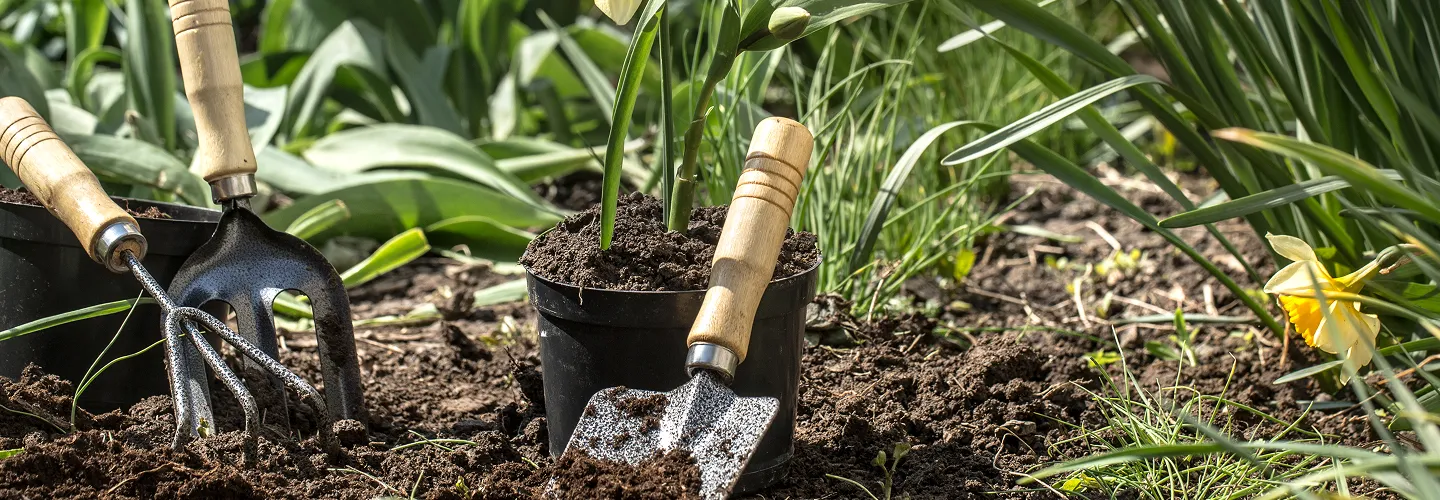
Cottonflower Hedging Services
Choose our hedging services for meticulous attention to detail, reliable scheduling, and lush, healthy hedges that elevate your property's beauty and privacy.
Get a Free QuoteOur Cottonflower Landscaping & Yard Care Services
When to Schedule Hedging in Cottonflower, Arizona – Seasonal Guide
In Cottonflower, Arizona, the best time to schedule hedging is typically during late winter to early spring, just before new growth begins. This timing allows shrubs and hedges to recover quickly and flourish as the weather warms. Cottonflower’s unique climate—characterized by mild winters, hot summers, and occasional monsoon rains—means that hedging too late in the season can expose plants to heat stress or drought conditions. Neighborhoods near Goodyear Ballpark and along Lower Buckeye Parkway often experience microclimates, with varying shade coverage and soil types that can influence the ideal hedging schedule.
Local environmental factors such as the last frost date (usually in early February), periods of low humidity, and the risk of drought should all be considered when planning your hedging services. Areas with denser tree coverage, like those near Wildflower North Park, may require more frequent maintenance due to increased shade and moisture retention. For more information on local climate and landscaping guidelines, visit the official town resource.
Local Factors to Consider for Hedging in Cottonflower
- Tree density and proximity to structures
- Terrain and soil drainage characteristics
- Seasonal precipitation and monsoon patterns
- Municipal restrictions or HOA guidelines
- Risk of frost or extreme heat events
- Shade coverage from nearby buildings or mature trees
Benefits of Hedging in Cottonflower
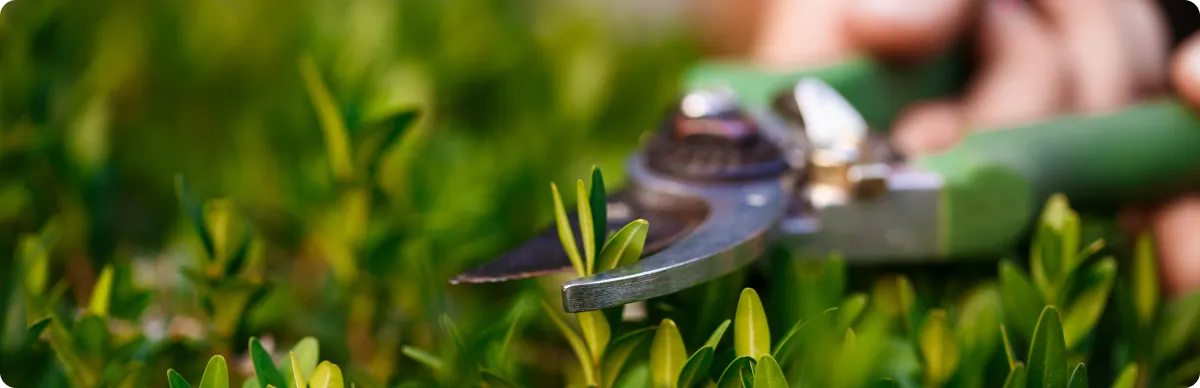
Enhanced Property Privacy
Natural Windbreak Solutions
Low-Maintenance Greenery
Increased Curb Appeal
Eco-Friendly Landscaping Choice
Year-Round Visual Interest
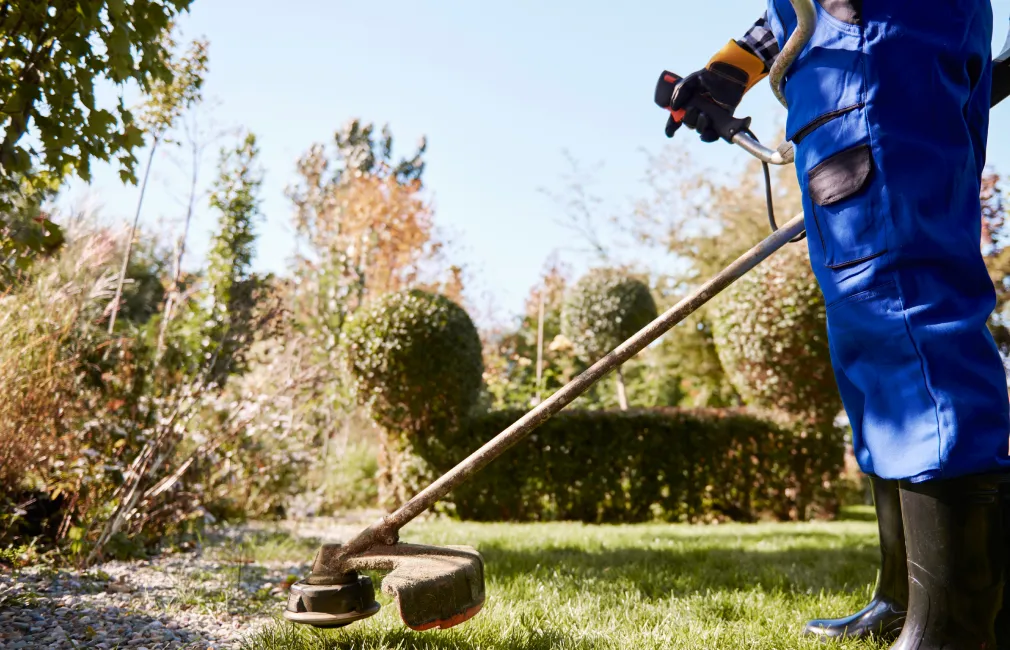
Cottonflower Hedging Types

Formal Cottonflower Hedges
-
Informal Cottonflower Borders
-
Mixed Species Cottonflower Hedges
-
Low-Growing Cottonflower Edges
-
Privacy Cottonflower Screens
-
Flowering Cottonflower Hedges
-
Evergreen Cottonflower Barriers
Our Hedging Process
Consultation and Planning
Site Preparation
Precision Trimming
Cleanup and Inspection
Why Choose Cottonflower Landscape Services
-
Cottonflower Homeowners Trust Us
-
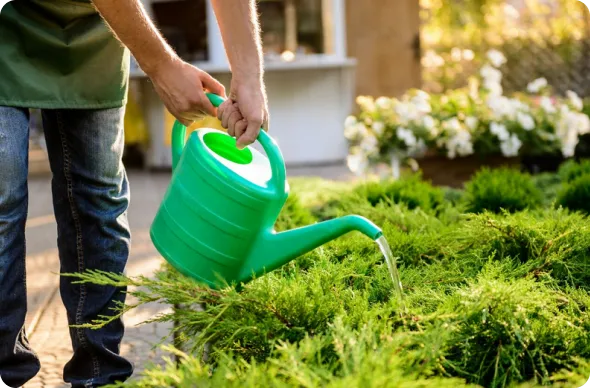
Expert Lawn Maintenance
-
Reliable Scheduling
-
Competitive Pricing
-
Professional Team
-
Satisfaction Guarantee
-
Personalized Service
Coordinating Hedging Services with Goodyear Municipal Programs in Cottonflower
Cottonflower is a master-planned residential community within the City of Goodyear, and all hedging work on properties in this area falls under Goodyear's municipal oversight. Property owners and managers should be aware that hedge maintenance along sidewalks, driveways, and street-facing frontages is subject to the city's property maintenance standards. The Goodyear Code Compliance division enforces ordinances related to overgrown vegetation, sight-line obstructions at intersections, and general neighborhood appearance. Hedges that encroach into public rights-of-way or block pedestrian access may trigger code enforcement action. Green waste generated from hedging projects must be handled according to the city's bulk collection and disposal guidelines, which are coordinated through the Public Works Department. Residents should verify current pickup schedules and bundling requirements before placing hedge trimmings curbside.
- Confirm hedge height and setback expectations with Goodyear Code Compliance before major reshaping
- Coordinate green waste disposal through the city's bulk pickup program
- Ensure hedges do not obstruct sidewalks, fire hydrants, or street signage
Goodyear Code Compliance
Official Website: Goodyear Code Compliance
Goodyear Public Works Department
Official Website: Goodyear Public Works Department
How Cottonflower's Low-Desert Heat and Alkaline Soils Affect Hedge Growth
Cottonflower sits in the western Phoenix metro low desert, classified within USDA Hardiness Zone 9b to 10a, where summer temperatures routinely exceed 110°F and annual rainfall averages under eight inches. These conditions directly influence hedge species selection, shaping frequency, and irrigation demand. Soils in this part of Goodyear are predominantly alkaline sandy loam with caliche layers at varying depths, which can restrict root development and limit water infiltration. Reflected heat from block walls, concrete driveways, and decorative rock mulch intensifies thermal stress on hedge foliage, particularly on south- and west-facing exposures. Monsoon storms between July and September can deposit debris, break weakened branches, and cause localized flooding around hedge root zones. The Arizona Department of Water Resources encourages landscape designs that minimize supplemental irrigation, making drought-adapted hedge species a practical priority.
- Alkaline soils may cause iron chlorosis in non-adapted hedge species, producing yellowed foliage
- Caliche layers can impede drainage and root penetration, requiring amended planting beds
- Reflected heat from adjacent hardscape accelerates moisture loss and leaf scorch on exposed hedges
Navigating Cottonflower's Zoning and Code Requirements for Hedge Maintenance
Hedge maintenance in Cottonflower must comply with the Goodyear Zoning Ordinance, which establishes standards for vegetation height, screening, and sight-triangle clearance at intersections and driveway approaches. Overgrown hedges that impair driver visibility or encroach on neighboring properties may result in code violations. Property owners in HOA-governed subdivisions should also review their community's CC&Rs, as many Cottonflower-area associations impose additional requirements on hedge species, maximum height, and maintenance frequency. Pesticide or herbicide applications on or around hedges require compliance with Arizona Department of Agriculture licensing standards, and commercial applicators must hold valid Arizona certifications. Stormwater regulations under Arizona DEQ's MS4 program apply to hedge clippings and organic debris that could enter storm drains or retention basins.
- Verify sight-triangle clearance requirements at corner lots and driveway exits through the Goodyear Municipal Code
- Confirm HOA-specific hedge height and species restrictions before planting or reshaping
- Ensure all chemical treatments near hedges are applied by properly licensed personnel
- Keep hedge trimmings and organic debris out of curb inlets, washes, and retention basins
Timing and Methods for Hedging in Cottonflower's Extreme Desert Climate
Professional hedging in Cottonflower requires careful attention to seasonal timing and species-specific growth patterns. Desert-adapted hedge species commonly used in the western Phoenix metro area include oleander, Texas sage (Leucophyllum frutescens), Arizona yellow bells (Tecoma stans), and privet varieties suited to alkaline soils. Each species responds differently to shaping, and cutting schedules should align with active growth periods rather than dormancy. Light shaping of most warm-season hedge species is best performed in late spring through early summer, when plants can recover quickly. Heavy structural cuts should be avoided during peak summer heat above 110°F, as exposed inner wood is vulnerable to sunscald. Pre-monsoon shaping in late June helps reduce wind-catch and branch breakage during July and August storms. Irrigation should be adjusted after significant hedging to support recovery without overwatering, which can promote root rot in poorly draining soils. The Arizona Tree Care Resources organization provides additional guidance on maintaining woody landscape plants in desert conditions.
- Schedule light maintenance shaping during active growth from April through early June
- Avoid heavy structural pruning during the hottest weeks of June through August
- Complete pre-monsoon cleanup cuts by late June to reduce storm damage risk
- Adjust drip irrigation run times after major hedging to compensate for reduced canopy shade
Goodyear Engineering Department
Official Website: Goodyear Engineering Department
What Neighborhoods Do We Serve Throughout Cottonflower, AZ?
- Cottonflower — A master-planned community in Goodyear featuring uniform lot sizes, block-wall perimeters, and HOA-maintained common areas where hedge height and species consistency are closely monitored.
- Palm Valley — An established Goodyear subdivision west of Cottonflower with mature oleander and privet hedges along property lines that require regular shaping to maintain sight lines and pedestrian clearance.
- Canyon Trails — A newer development area with compact lots and significant hardscape, where reflected heat from walls and driveways intensifies stress on hedge plantings along south-facing exposures.
- Estrella — A large master-planned community adjacent to the Sierra Estrella foothills, where wash-adjacent properties and sloped lots present unique drainage and root-zone considerations for hedge maintenance.
- PebbleCreek — An active-adult community with professionally maintained common-area hedges and individual lot landscaping subject to community association appearance standards and irrigation efficiency expectations.