
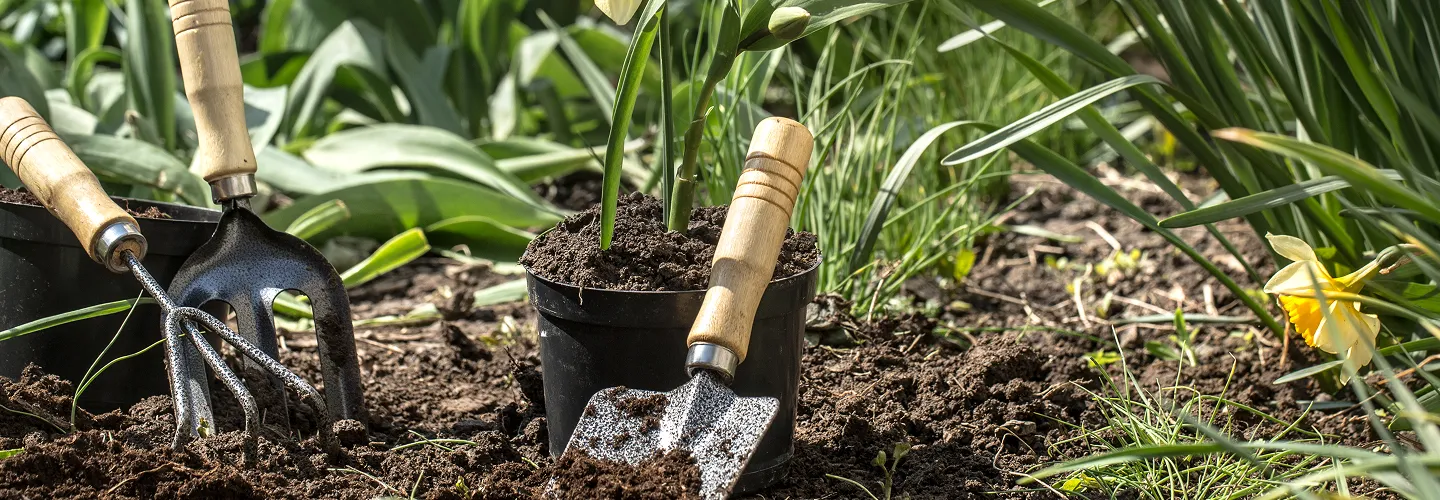
Cottonflower Lawn Renovation Services
Choose our Lawn Renovation services for expert care, premium materials, and a commitment to transforming tired, patchy grass into a lush, healthy lawn you’ll love year-round.
Get a Free QuoteOur Cottonflower Landscaping & Yard Care Services
When to Schedule Lawn Renovation in Cottonflower, Arizona – Seasonal Guide
In Cottonflower, Arizona, timing your lawn renovation is crucial for achieving a lush, healthy yard that thrives in our unique desert climate. The best periods for lawn renovation are typically early spring and early fall, when temperatures are moderate and the risk of extreme heat or frost is minimal. Cottonflower’s proximity to the Gila River and neighborhoods like Estrella Vista means that microclimates can vary, so it’s important to consider your specific location. Early spring, just after the last frost date, allows new grass to establish before the summer heat, while early fall takes advantage of cooler nights and occasional monsoon rains.
Local environmental factors such as drought risk, soil composition, and shade from mature mesquite and palo verde trees play a significant role in determining the optimal renovation window. Areas near Cottonflower Park or along Lower Buckeye Road may experience different humidity levels and soil drainage compared to more open lots. For more information on local climate patterns and municipal guidelines, visit the official Sudbury resource.
Local Factors to Consider for Lawn Renovation in Cottonflower
- Tree density and shade coverage from native species
- Soil type and drainage, especially in older neighborhoods
- Seasonal precipitation and monsoon timing
- Frost dates and risk of late cold snaps
- Municipal watering restrictions and local ordinances
- Terrain variations, such as sloped yards or low-lying areas
Benefits of Lawn Renovation in Cottonflower
Enhanced Curb Appeal
Improved Lawn Health
Weed and Pest Reduction
Increased Property Value
Customized Landscaping Solutions
Expert Local Knowledge
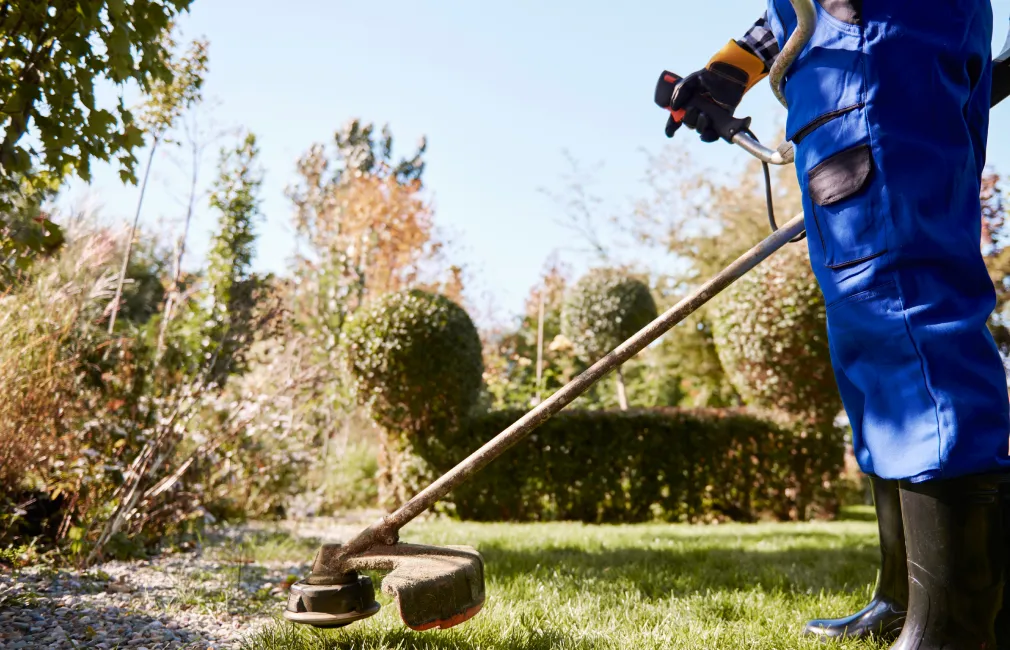
Cottonflower Lawn Renovation Types

Sod Installation
-
Overseeding
-
Aeration and Topdressing
-
Dethatching
-
Soil Amendment
-
Weed and Pest Control
-
Irrigation System Upgrades
Our Lawn Renovation Process
Site Evaluation
Soil Preparation
Seeding or Sodding
Watering and Fertilization
Ongoing Maintenance
Why Choose Cottonflower Landscape Services
-
Cottonflower Homeowners Trust Us
-
Expert Lawn Maintenance
-
Reliable Scheduling
-
Competitive Pricing
-
Professional Team
-
Satisfaction Guarantee
-
Personalized Service
Coordinating Lawn Renovation Projects Through Goodyear's Municipal Departments for Cottonflower
Cottonflower is a master-planned residential community within the City of Goodyear, and lawn renovation projects in this area fall under Goodyear's municipal oversight. Property owners planning turf recovery work that involves grade correction, soil import, or irrigation system modifications should coordinate with the appropriate city departments before beginning site work. The Goodyear Engineering Department reviews projects that may alter drainage patterns, particularly where lot grading affects stormwater flow toward retention basins or neighborhood drainage corridors. For properties where turf deterioration has led to visible soil erosion or bare ground along street frontages, the Goodyear Code Compliance division enforces property maintenance standards that may require timely restoration.
- Confirm whether grade changes or soil import require engineering review before beginning renovation
- Coordinate green waste and sod debris removal through the Goodyear Public Works Department bulk collection procedures
- Verify HOA architectural review requirements for turf type, coverage area, or irrigation changes within Cottonflower
Goodyear Engineering Department
190 N Litchfield Rd, Goodyear, AZ 85338
Official Website: Goodyear Engineering Department
How Cottonflower's Low-Desert Soil and Heat Conditions Affect Lawn Renovation
Cottonflower sits within the Phoenix metro low-desert environment, classified under USDA Plant Hardiness Zone 9b to 10a, where summer temperatures routinely exceed 110°F and annual rainfall averages under eight inches. These conditions create specific challenges for lawn renovation that differ substantially from temperate-climate turf recovery. Soils in western Maricopa County subdivisions like Cottonflower commonly consist of compacted subdivision fill overlying native alkaline sandy loam or caliche layers, which restrict root penetration and water infiltration. Salt accumulation from repeated irrigation with mineral-rich municipal water further degrades turf health over time, creating patchy dieback that standard reseeding alone cannot resolve.
- Caliche and compaction: Hardpan layers beneath imported topsoil prevent deep root establishment and trap salts in the upper soil profile
- Alkaline pH: Soil pH values commonly range from 7.5 to 8.5, limiting nutrient availability for bermudagrass and requiring amendment strategies during renovation
- Reflected heat: Block walls, concrete patios, and decomposed granite borders radiate heat that intensifies turf stress along yard perimeters
- Monsoon runoff: Intense summer storms can wash away newly placed seed or sod if grade preparation does not account for sheet-flow patterns across the lot
The University of Arizona Cooperative Extension provides region-specific guidance on turf species selection and soil correction for low-elevation Arizona properties.
Navigating Cottonflower's Regulatory Requirements for Lawn Renovation Compliance
Lawn renovation in Cottonflower must comply with both City of Goodyear municipal codes and applicable state-level environmental regulations. The Goodyear Municipal Code establishes property maintenance standards that apply to residential turf areas, including requirements to maintain landscaped areas in a condition free of excessive weeds, dead vegetation, and erosion. Properties adjacent to washes, retention basins, or flood-control easements may face additional restrictions on grading and soil disturbance that should be verified through the Engineering Department before work begins.
- Pesticide and herbicide applications during renovation must be performed by applicators licensed through the Arizona Department of Agriculture when applied commercially
- Stormwater discharge from renovation sites must comply with Arizona DEQ stormwater regulations, which prohibit sediment, fertilizer, or chemical runoff from entering storm drains or washes
- Irrigation modifications associated with lawn renovation should align with water conservation guidance from the Arizona Department of Water Resources
- Verify current watering restrictions and drought-stage rules through the city's water services division before establishing new turf
Goodyear Code Compliance
Official Website: Goodyear Code Compliance
Goodyear Water Supply Resources
Official Website: Goodyear Water Supply Resources
Timing and Methods for Professional Lawn Renovation in Cottonflower's Climate
Successful lawn renovation in Cottonflower depends on aligning soil correction, turf establishment, and irrigation adjustments with the region's extreme seasonal patterns. The Turfgrass Maintenance Guide for Low Elevation Arizona from the University of Arizona provides detailed timing recommendations for bermudagrass recovery and overseeding transitions relevant to this area.
- Soil correction timing: Address compaction, salt leaching, and grade repair during late spring before bermudagrass enters peak active growth, allowing amended soil to stabilize before summer irrigation demand increases
- Bermudagrass renovation: Renovate warm-season turf between late April and early June when soil temperatures consistently exceed 65°F, supporting rapid stoloniferous recovery
- Irrigation audit: Inspect and repair sprinkler coverage, head alignment, and valve function before laying sod or seeding, as uneven watering is a primary cause of renovation failure in low-desert yards
- Salt management: Leach accumulated salts below the root zone with deep irrigation cycles prior to planting, particularly on lots where mineral-rich water has been applied for multiple seasons
- Grade repair: Correct low spots and settlement areas common in newer Goodyear subdivisions to prevent standing water, scalping, and uneven turf density after establishment
Avoid initiating renovation work during the monsoon season (typically mid-June through September), as intense rainfall events can displace seed, erode amended soil, and overwhelm newly established root systems.
What Neighborhoods Do We Serve Throughout Cottonflower, AZ?
- Cottonflower — This master-planned community features uniform lot sizes with block-wall perimeters that intensify reflected heat along turf edges, requiring careful irrigation head placement during renovation
- Palm Valley — Established properties in this nearby Goodyear community often present mature bermudagrass lawns with accumulated thatch and salt buildup that benefit from full renovation rather than simple overseeding
- Estrella — Lots adjacent to the Estrella Mountain foothills may encounter rocky native soil and steeper grade transitions that complicate soil import and drainage correction during turf restoration
- Canyon Trails — Newer subdivision fill soils in this area are prone to settlement and compaction, creating uneven turf surfaces that require leveling and deep aeration as part of renovation
- Pebble Creek — Mature landscaping and established irrigation infrastructure on these properties may require system audits and valve upgrades to support renovated turf areas effectively